
BPC-157
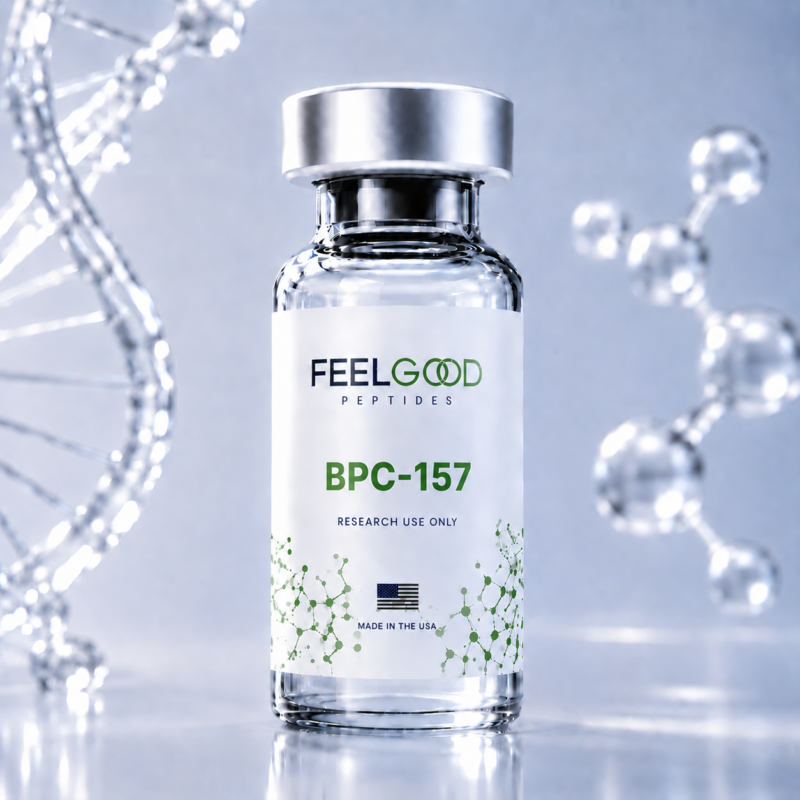
BPC-157
Muscle Growth & Recovery
BPC-157 is a peptide derived from a protective protein found in the stomach. It is widely researched for its regenerative properties, including tissue repair, gut health, and inflammation support.
- ✓ ≥99% purity
- ✓ Third-party COA
- ✓ US-synthesized
- ✓ Lyophilized powder

BPC-157 is studied to better understand tissue repair signaling, vascular pathway activation, and the mechanisms behind mucosal and connective tissue healing.
BPC-157 occupies a well-established position in preclinical repair signaling research, with a mechanistic profile that spans nitric oxide pathway modulation, VEGF and EGF growth factor upregulation, FAK-paxillin cell adhesion signaling, and VEGFR2-mediated angiogenesis — all characterized across distinct tissue and injury model preparations.
What distinguishes BPC-157 as a research tool compound is the breadth of its tissue applicability. The same core signaling mechanisms — nitric oxide system engagement, growth factor induction, and focal adhesion kinase pathway activation — have been studied in gastrointestinal mucosal, tendon, ligament, endothelial, and neural cell preparations, making it a versatile reference compound across multiple preclinical research disciplines.
- CAS Number: 137525-51-0
- Molecular Weight: 1419.53 Da
- Purity: ≥99%
- Also Known As: Body Protection Compound 157, PL-10, PL 14736, Bepecin, Gastric pentadecapeptide BPC-157
- Chemical Formula: C₆₂H₉₈N₁₆O₂₂
In cell-based and preclinical models, BPC-157 engages the nitric oxide (NO) signaling system as a primary mechanistic pathway — modulating eNOS activity and NO bioavailability in vascular and mucosal cell preparations. This NO-dependent activity has been associated with cytoprotective and vasodilatory signaling responses in gastrointestinal and endothelial tissue models, and is proposed as a central mechanism underlying its mucosal healing activity across multiple rodent injury preparations.
Growth factor upregulation represents a second well-characterized signaling arm. In wound site preparations, BPC-157 exposure is associated with concentration-dependent increases in VEGF and EGF expression — driving angiogenic and epithelial repair signaling through their respective receptor pathways. VEGFR2 phosphorylation and downstream FAK activation in endothelial cell preparations confirm the VEGF-dependent nature of BPC-157’s angiogenic activity, distinguishing it from VEGF-independent angiogenic tool compounds in mechanistic research designs.
In tendon and connective tissue preparations, FAK-paxillin signaling pathway modulation has been directly characterized. Western blot analysis in rat Achilles tendon models following BPC-157 exposure confirmed concentration-dependent upregulation of FAK and paxillin phosphorylation — signaling events governing cell adhesion, cytoskeletal organization, and directional migration at wound sites. Histological outcomes in these models showed improved collagen fiber organization and increased tendon cross-sectional area, consistent with FAK-paxillin-mediated cell adhesion and matrix remodeling activity.
- Nitric Oxide System Modulation and Cytoprotective Signaling Studies
- VEGFR2-Mediated Angiogenesis and Growth Factor Upregulation Research
- Gastrointestinal Mucosal Repair and Cytoprotection Models
- Tendon and Connective Tissue Repair Signaling Research
- Collagen Organization and ECM Remodeling Assays
- Multi-Peptide Combination and Complementary Angiogenic Pathway Studies
Related Products
KLOW Blend (GHK-Cu + TB-500 + BPC-157 + KPV)
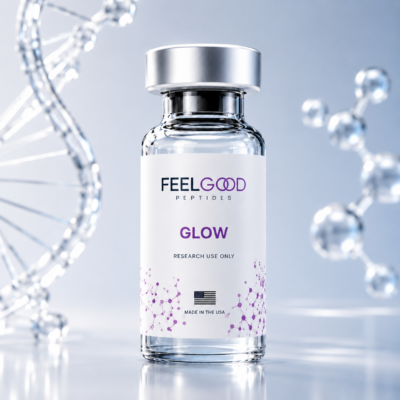
GLOW Blend (GHK-Cu + BPC-157 + TB-500)
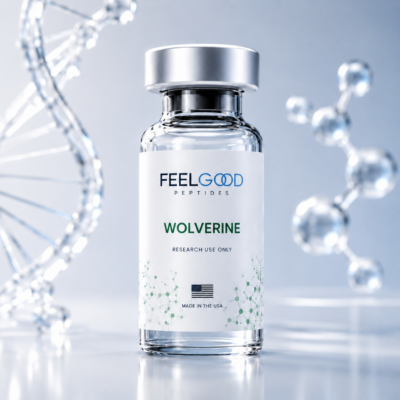
WOLVERINE Blend (BPC-157 + TB-500)
Feedback From the Research Community
Questions before ordering?
Our Commitment to Quality
At Feel Good Peptides, quality, consistency, and transparency are at the core of everything we do. We work with qualified manufacturing partners and established ingredient suppliers to ensure that every product meets strict quality standards before being made available to our customers. The manufacturing process outlined in the certificate includes raw material verification, controlled production procedures, lyophilization (freeze-drying), batch traceability, and analytical testing designed to support product integrity and consistency.
Raw Material Verification
Every batch begins with carefully sourced active ingredients obtained from qualified manufacturers operating under established quality systems. Incoming materials undergo verification procedures prior to being approved for production. This process helps ensure that only materials meeting predefined specifications move forward into manufacturing.
Controlled Manufacturing Standards
Products are produced using documented procedures designed to maintain consistency and quality throughout the manufacturing process. Production includes precision formulation, sterile handling practices, environmental controls, and lyophilization (freeze-drying) to support stability and long-term storage. Batch records are maintained throughout production to provide accountability and traceability.
Quality Control & Testing
Quality verification is a critical part of every production run. Depending on the product, testing may include:
* Purity Analysis (HPLC)
* Identity Confirmation (Mass Spectrometry)
* Concentration Verification
* Endotoxin Testing
No batch is released without documented quality review procedures. Certificates of Analysis (COAs) are maintained to support transparency and batch verification.
Batch Traceability
Each product batch is assigned a unique lot number, allowing traceability from raw material receipt through finished product distribution. This system helps ensure accountability throughout the manufacturing and quality control process.
Research Use Only
All products offered by Feel Good Peptides are designated Research Use Only (RUO) and are intended solely for laboratory and scientific research applications. These products are not approved for human consumption, medical use, diagnosis, treatment, or prevention of any disease. Feel Good Peptides makes no therapeutic or medical claims regarding any product offered on this website.
Transparency You Can Trust
We believe customers should have confidence in the products they purchase. Through documented manufacturing procedures, batch traceability, and quality verification processes, Feel Good Peptides is committed to maintaining high standards of quality, consistency, and transparency across our product catalog.
Draw & Dose Calculator
Use the calculator below to calculate accurate peptide dosages.
Dose of Peptide
Peptide Strength
Bacteriostatic Water
Need more information?
Our team is ready to answer your questions.
Contact UsFor Research Use Only. Not for Human Consumption. Not a drug, supplement, or food product. All products are designated Research Use Only (RUO). Purchasers assume responsibility for ensuring compliance with all applicable regulations.
Reviews
There are no reviews yet.